Skip to content
Posted by Slimthetics - September 16, 2026

Quick Facts:
- Specialty: Bariatric and General Surgery
- Procedure: Gastric Sleeve Surgery (Sleeve Gastrectomy)
- Surgeon: Dr. Amjad Umair
- Qualifications: MBBS, FCPS
- Experience: Over 10 years, as reported in his professional profile
- Professional Affiliations: Slimthetics; reported association with Shifa International Hospital, Islamabad
- Clinic: Slimthetics
- Location: Islamabad, Pakistan
- Treatment Approach: Individualized assessment and bariatric treatment planning
- Consultation Style: Evaluation of weight, medical history, eligibility, and weight-loss goals
Best Gastric Sleeve Surgeon in Islamabad
Obesity can impact your physical health, mobility, confidence, and quality of life. If you’ve not been able to maintain significant weight loss through diet, activity, and medical management, bariatric surgery could be a treatment you want to explore with your surgeon. Gastric sleeve surgery is one of the most frequently performed weight-loss surgeries for bariatric patients who qualify.
We at Slimthetics are a leading weight loss clinic that is renowned for its state-of-the-art procedures. Dr. Amjad Umair, who is the best gastric sleeve surgeon in Islamabad, holds MBBS and FCPS degrees and will guide patients for gastric sleeve surgery in Islamabad. In the very first phase, your complete health, weight, history, and previous weight loss measures are evaluated.
Gastric sleeve is a procedure that involves reducing the size of the stomach so that patients are satisfied with a smaller amount of food. The gastric sleeve procedure can help you lose significant amounts of weight when followed with proper dietary, nutritional, and medical management.
If you want to find the best gastric sleeve surgeon in Islamabad, then look at the doctor’s qualifications, Bariatric experience, surgical facilities, patient safety, and post-operative support provided. The best way to find out if you are a suitable candidate for Gastric Sleeve surgery is to have a consultation.
Learn more about Dr. Amjad Umair:
Dr. Amjad Umair is a Bariatric and General Surgeon, MBBS, FCPS. He is a surgeon in the field of bariatrics and general surgery, with his office number as well as a description of his bariatric surgery, weight loss, and other practices. He uses surgical techniques to assist appropriate patients in their decision to successfully manage excess weight and achieve a weight loss plan.
In the consultation, patients share their current weight and any history of other weight-loss interventions, along with any medical conditions and hopes for the surgery. This information is used by the surgeon to determine if a gastric sleeve procedure or another form of intervention would be appropriate.
Qualifications and Registration of Dr. Amjad Umair:
- Qualification: MBBS
- Degree: FCPS (Postgraduation)
- Specialty: Bariatric and General Surgery
- Experience: More than 10 years
- PMDC Registration Number
- Professional Memberships
- Professional commitments: Started at Shifa International Hospital (ISLAMABAD)
- Reported Professional Experience: Holy Family Hospital, Rawalpindi and Slimthetics Islamabad
Who Is Dr. Amjad Umair?
Dr. Amjad Umair is featured as a bariatric surgeon with Slimthetics, where one can get information on surgical weight-loss treatments after medical clearance. Bariatric surgery is defined as a procedure altering the digestive system, reducing its capacity and/ or modifying its function to treat obesity.
His designated specialty covers all bariatric and general surgical procedures, as well as sleeve gastrectomy and all other procedures treating excess weight. Treatment will be determined based on factors such as BMI, medical history, and previous treatments.
Patients need to be aware of the advantages, complications, diet plan, and long-term follow-up before opting for the gastric sleeve in Islamabad.
His Areas of Expertise:
Dr. Amjad Umair reported areas of practice include:
- Gastric sleeve surgery
- Sleeve gastrectomy
- Gastric bypass surgery
- Mini gastric bypass surgery
- Revisional bariatric surgery
- Surgical management of obesity
- Bariatric and general surgery
- Laparoscopic gastrointestinal procedures
- Personalized weight-loss treatment planning
- Care after surgery and diet advice
The appropriateness and availability of each procedure should be checked in consultation.
What Is Gastric Sleeve Surgery?
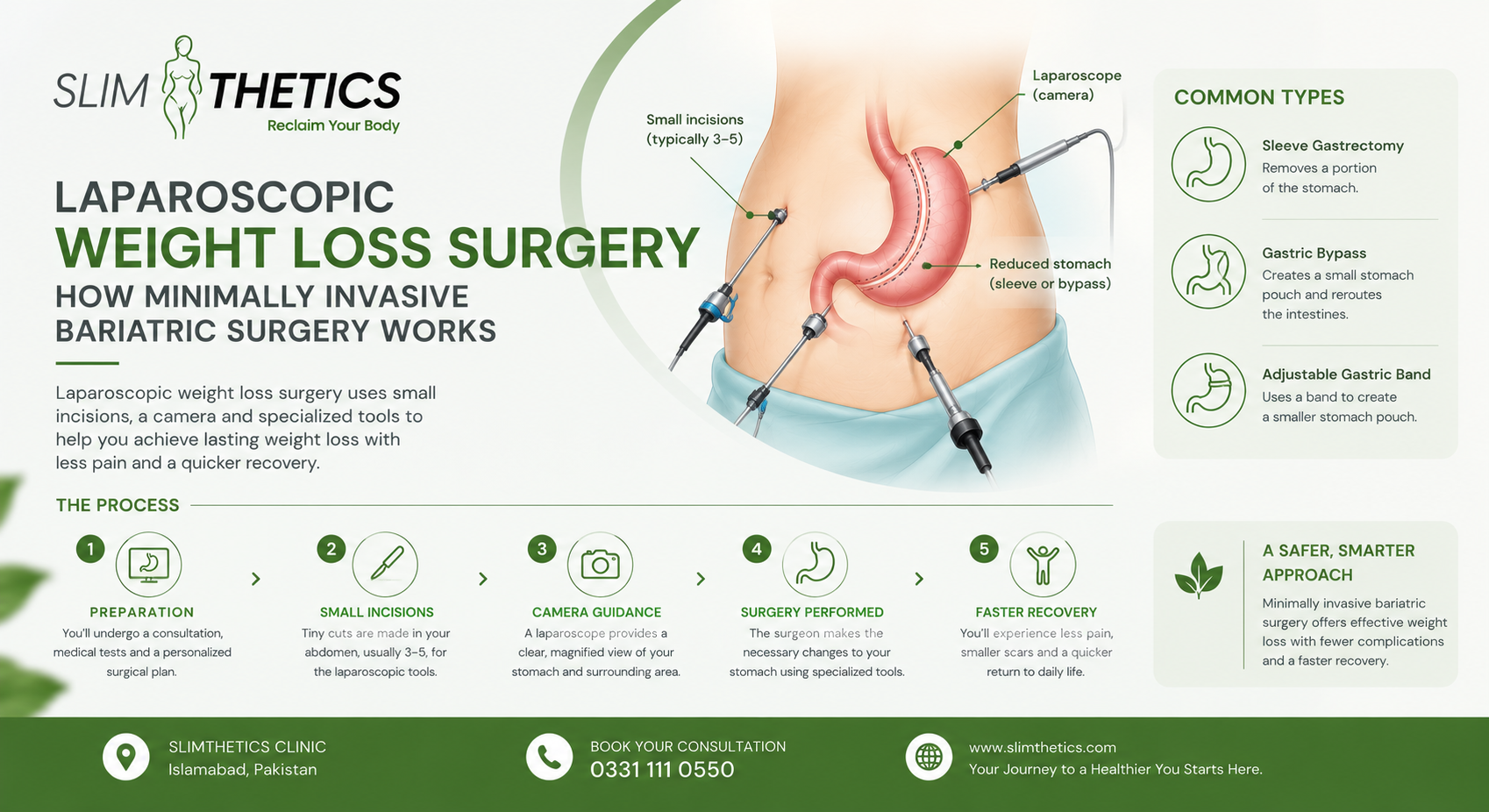
Sleeve gastrectomy, or gastric sleeve surgery, is a bariatric procedure that is used for weight loss in appropriate patients. During sleeve gastrectomy, a surgeon takes away a large part of the stomach, leaving a tiny, banana-shaped (sleeve) stomach.
Due to the shrinking of the stomach, your patients will typically feel full after eating less food and will feel hungry less often. We also alter some of the hunger cues in the stomach, which could be a factor in why patients might feel less hungry.
The procedures for gastric sleeve surgery vary to a certain degree depending on various factors such as the patient’s condition and the surgeon’s discretion. However, it is mostly performed using laparoscopy, which includes small incisions and the use of laparoscopic instruments.
The procedure may help address:
- Severe obesity
- Difficulty achieving sustainable weight loss
- Excess body weight associated with health concerns
- Obesity-related type 2 diabetes
- High blood pressure associated with obesity
- Sleep apnoea related to excess weight
- Mobility issues concerning weight
- Metabolic health issues related to obesity
Gastric sleeve surgery is not an easy fix or a simple solution. People are required to have post-surgery support in the form of nutritional, lifestyle, and medical care.
The Procedure for Gastric Sleeve Surgery:
Gastric sleeve surgery mainly works by decreasing the stomach size and can also influence the person’s appetite. It is designed to help the individual eat less and reach permanent weight loss.
Typically, the process would go like this:
1. Pre-operative assessment:
The surgeon assesses the patient’s BMI, health, past dieting history, current medication, and other obesity related illnesses. Blood tests and other investigations are necessary.
2. Surgical procedure:
Usually, the operation is done with general anaesthesia. The surgeon removes much of your stomach and makes the stomach into a long, narrow tube or “sleeve.” The remaining stomach is still able to handle food.
3. Hospital monitoring:
After surgery, the team checks on your recovery, whether you are comfortable, hydrated, and are able to tolerate fluids. The hospital stay varies depending on your recovery and the team’s recommendations.
4. Progression of Food Intake:
The transition from liquids to purée, then soft foods, before advancing to the suitable other-term diet will be made by patients. The timeline must comply with the recommendations of the bariatric team.
5. Managing weight over time:
Consistent follow-up, good diet, and physical activity to the extent possible and safe are essential, as is adherence to nutritional requirements.
Causes of Obesity and Difficulty Losing Weight:
Obesity is a complex condition that can be influenced by a number of biological, environmental, behavioural, or medical factors. Overeating and a lack of activity are not necessarily the cause of obesity.
Common contributing factors include:
- Genetic predisposition
- Hormonal & metabolic conditions
- Diet and Food Environment
- Lack of exercise
- Poor sleep and chronic sleep disruption
- Certain medicines
- Mental and emotional issues
- Weight-influencing medical conditions
- Previous weight-loss attempts followed by weight regain
If you have difficulty maintaining weight, a complete medical exam can help identify potential solutions. Your bariatric surgeon can work with you to decide if surgery, other treatments, or a combination of both is right for you.
Who Is an Ideal Candidate for Gastric Sleeve Surgery?
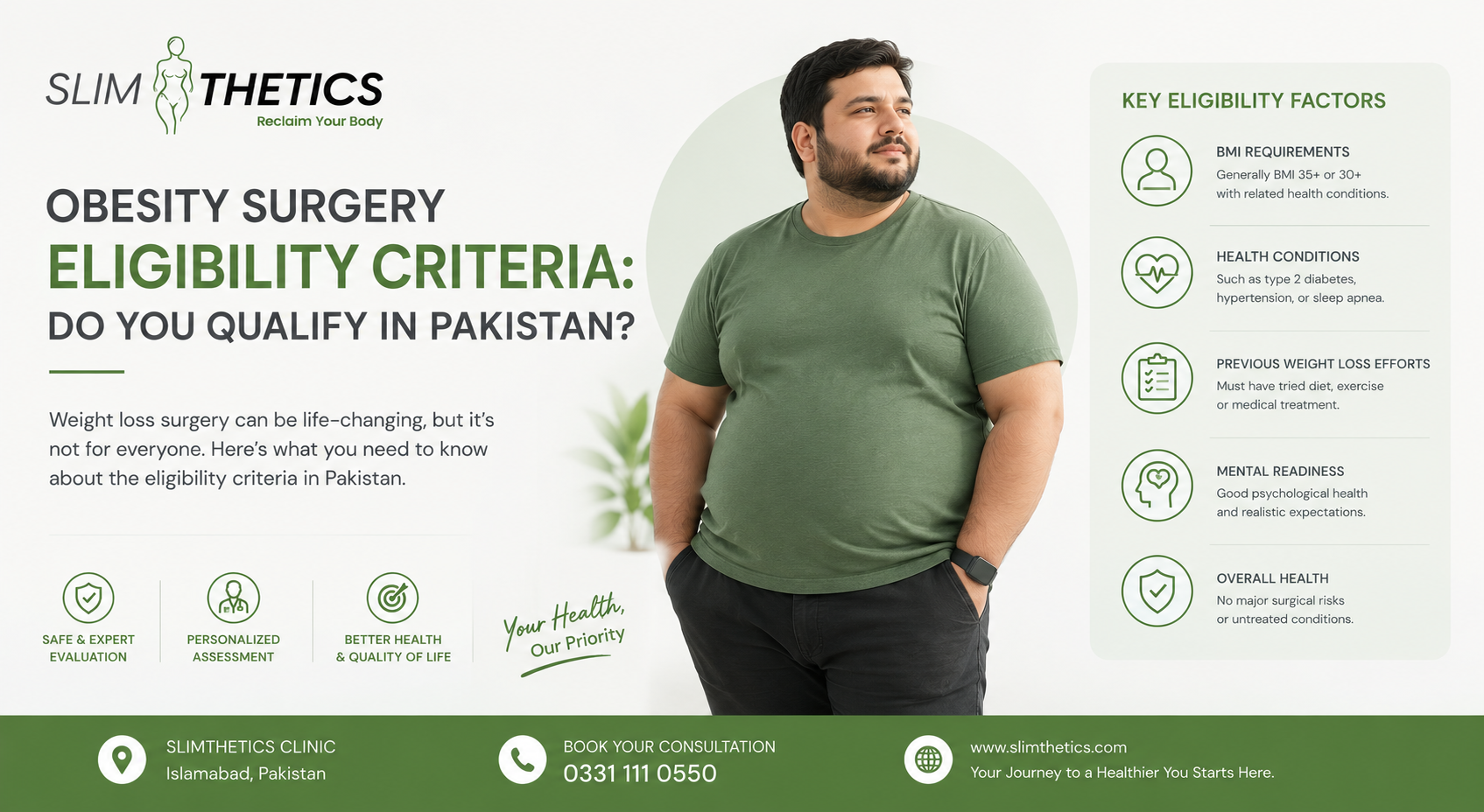
Gastric sleeve is an option for the treatment of obesity in adults who are medically eligible and who are committed to the long-term aspect of the treatment.
Some possible candidates are:
- Are a candidate for bariatric surgery based on your BMI
- Have not lost enough weight by nonsurgical means
- Have obesity-related health conditions
- Are medically suitable for surgery and anaesthesia
- Understand the dietary changes required after surgery
- Are prepared to attend regular follow-up appointments
- Have realistic expectations about weight loss
- Are willing to follow long-term nutritional guidance
BMI is just one aspect of eligibility and not the sole factor in decisions. Criteria for commissioning may differ depending upon clinical guidelines, associated conditions, and other individual requirements.
Gastric Sleeve Surgery Advantages:
For some patients who have the right indication, gastric sleeve surgery can lead to significant weight loss and some resolution of associated medical conditions.
Possible Advantages:
- Reduced stomach capacity
- Earlier feelings of fullness
- Less hunger for some patients
- Significant weight loss over time
- Potential improvement in type 2 diabetes
- Potential improvement in high blood pressure
- Potential enhancement in sleep apnoea
- Improved mobility for some patients
- Better management of certain obesity-related conditions
- Improved quality of life for some individuals
The weight loss results depend on your starting weight, medical conditions and eating habits, compliance with follow-up and other individual factors. Surgery will not ensure that a specific amount of weight will be lost or that medical conditions will be cured.
Types of Gastric Sleeve & Weight-Loss Surgery:
The best Bariatric operation is determined by the overall health, weight reduction goals, and other individual risk factors of the patient.
1. Laparoscopic Gastric Sleeve Surgery:
The Laparoscopic Gastric Sleeve Surgery is such that the patient is first put under general anaesthesia. With the help of tiny incisions that are made in the abdomen, the doctor inserts surgical instruments and removes the excess portion of the stomach with the tools.
The rest of the stomach is wrapped around as a small sleeve for patients to become full after smaller meals. There is no re-routing of the intestine.
This can be a feasible option for appropriate candidates who need surgical intervention for obesity. But the patients need to be aware of the hazards such as acid reflux, bleeding, leakage, and nutritional issues.
2. Gastric Bypass Surgery:
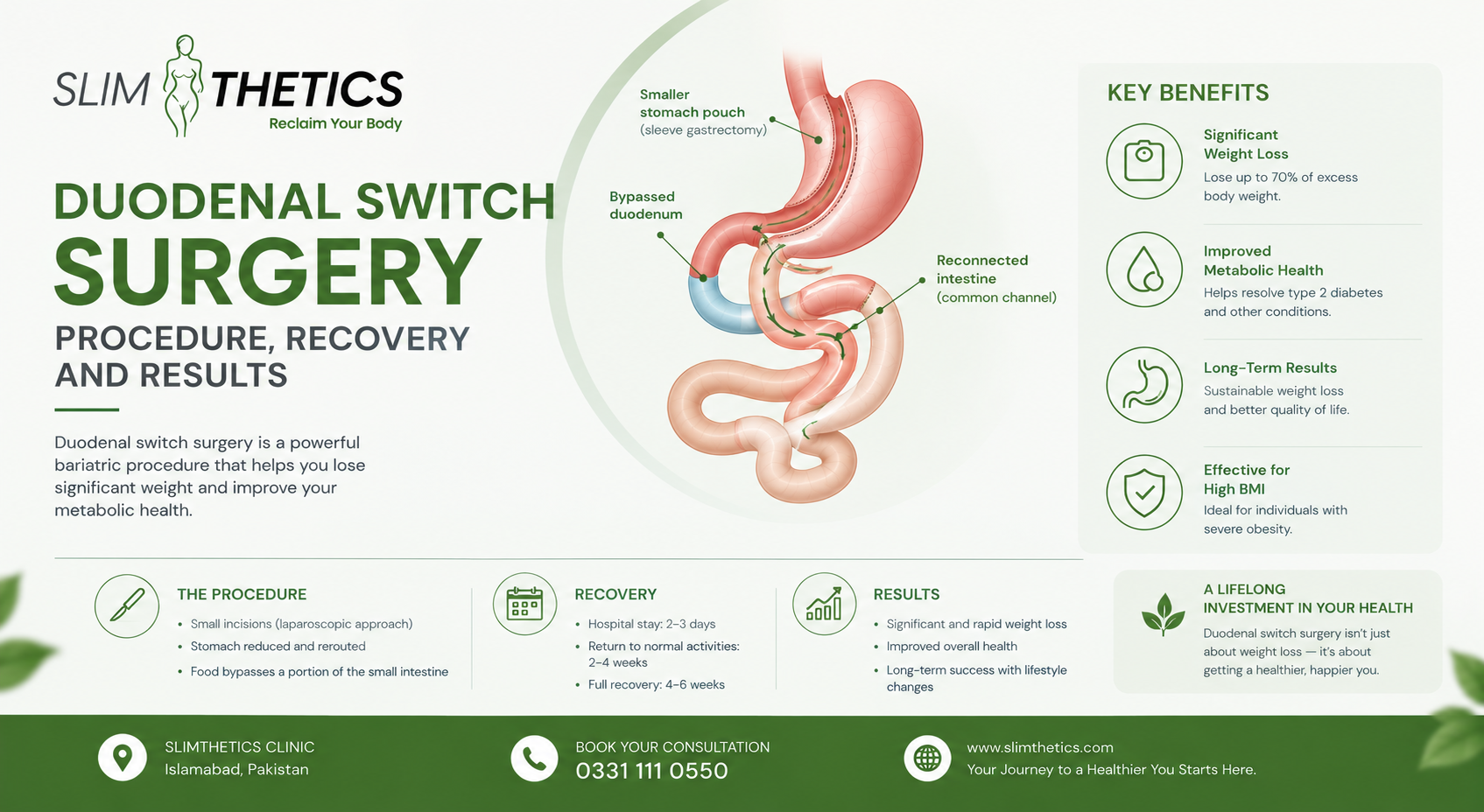
Gastric bypass, which also involves making a small stomach pouch and rerouting some of the digestive system. It decreases how much food you can eat and alters how your body absorbs nutrients and sends signals.
This type of surgery is only sometimes appropriate for patients and only in some cases of obesity and all of its metabolic effects. It also has a different set of risks than the Gastric Sleeve.
3. Mini Gastric Bypass:
Mini gastric bypass, a.k.a. one-anastomosis gastric bypass, uses the same principles as traditional gastric bypass: It makes a shorter stomach pouch and bypasses part of the small intestine.
The surgery can result in weight loss and can aid some obesity-related health conditions. It needs precise patient selection and extensive dietary control over time.
4. Revisional Bariatric Operation:
Revisional bariatric surgery is an option for patients who have had weight-loss surgery in the past and have had complications, lost too little weight, or regained too much weight.
Revision surgery can be much more complicated than your initial operation. Your bariatric surgeon will need to review your initial operation as well as your current symptoms, medical history, and potential approaches to additional surgery.
Recovery period for gastric sleeve surgery:
The recovery time of a gastric sleeve is different for each individual. It relies on the procedure, the patient, as well as their progress and any outcomes that might have occurred.
Follow any advice given to you by your surgeon or the clinical team
- Standard Recovery Guidelines
- Follow the prescribed liquid and food progression.
- Drink fluids regularly according to medical advice.
- Eat slowly and follow recommended portion sizes.
- Take prescribed medicines and supplements as directed.
- Refrain from lifting heavy objects or doing hard exercise until your surgeon approves.
- Attend scheduled follow-up appointments.
- Follow recommendations for gradual physical activity.
- Watch for dehydration or malnutrition.
- Keep an open, long-term dialogue with the bariatric team.
Most patients can return to light daily activities relatively quickly, but will need more time to fully recover. It may be some weeks before returning to work, depending on their condition and work situation.
Get immediate medical attention if you have intense or worsening abdominal pain, relentless vomiting, fever, trouble breathing, a fast heart rate, or an inability to stay hydrated by drinking fluids following surgery.
Risks and Complications of Gastric Sleeve Surgery:
Gastric sleeve is a major operation and, like any other operation, has its potential risks. Patients should seek advice from their surgeon before they go ahead with this operation.
Possible complications include:
- Bleeding
- Infection
- Leakage from the stomach staple line
- Blood clots
- Anaesthesia-related complications
- Nausea or vomiting
- Acid reflux or worsening heartburn
- Stenosis of the stomach sleeve
- Dehydration
- Nutritional deficiencies
- Muscle wasting
- Inadequate weight loss or weight regain
- Additional surgery needed
Other complications may necessitate immediate action. Close monitoring over time will help to keep track of nutritional status, weight, and general health.
Why Slimthetics For Gastric Sleeve Surgery In Islamabad?
It’s important to evaluate the bariatric surgeon’s level of experience, the safety record of the surgical facility, and the quality of pre- and post-operative care.
Bariatric surgery is one of Slimthetics’ weight-loss services, and Dr Amjad Umair is on the specialist team. Gastric sleeve patients are able to book an assessment to see if this is right for them and look at which treatment options are available.
Key points to cover with the clinic:
- The surgeon’s verified bariatric surgery experience
- Preoperative clinical evaluation
- Whether laparoscopic gastric sleeve surgery is appropriate
- Risks and expected benefits
- An anaesthetic and hospital accommodation
- Availability of emergency support
- Dietary guidance before and after surgery
- Long-term follow-up and nutritional surveillance
- Transparent information about the total treatment cost
A quality plan of care should focus on patient safety, realistic expectations, and health over time versus assurance of results.
Patient Experiences and Expectations:
Patients generally want to know how the surgery will affect their weight, health, daily functioning, and quality of life.
Outcomes are highly variable. Some individuals have extensive weight loss, whereas others can be slower or regain weight in the longer term.
Testimonials and before-and-after photos should be evaluated with caution because they do not determine the results of future patients.
Inquire about weight loss expectations before surgery, risks and complications, the time needed to recover, and the support available during treatment.
Gastric Sleeve Surgery Cost in Islamabad:
This is generally determined by the medical needs of the patient, the nature of the surgery, and the contents of the package.
The exact cost will be confirmed with Slimthetics following a consultation. A written quote will assist patients in their understanding of costs and any additional charges.
Factors That Affect Gastric Sleeve Surgery Cost:
- The patient’s medical condition and BMI
- Pre-operative investigations and consultations
- Surgical technique and complexity of procedure
- Surgeon and anaesthesia fees
- Expenses for hospital and operating-room
- Medicines and hospitalisation
- Dietary supplements after surgery
- Follow-up Consultations And Nutritional Therapy
- Management of any complications, if required
If you are looking for gastric sleeve price in Islamabad or if you want to know gastric sleeve cost in Pakistan or weight-loss surgery cost in Islamabad, compare the contents of the packages that they offer and not only the starting prices.
How to Choose the Best Weight-Loss Surgeon in Islamabad?
Searching for the best weight-loss surgeon in Islamabad. Searching based on rankings and advertised results online cannot be exhaustive.
When choosing a bariatric surgeon, please keep the following in mind:
- Verify the surgeon’s medical qualifications and registration.
- Inquire about experience with gastric sleeve and other bariatric surgery.
- Confirm the hospital’s surgical and emergency facilities.
- Explain the possible advantages, disadvantages, and risks of having surgery.
- Understand the dietary and lifestyle changes required.
- Ask about follow-up appointments and nutritional monitoring.
- Request a transparent breakdown of treatment costs.
- Do not offer guarantees of weight loss or a problem-free operation.
It’s natural to have questions about gastric sleeve surgery. At Slimthetics, we provide an opportunity for patients to talk about their weight-related worries and learn if the procedure is right for them.
Gastric Sleeve Surgery in Islamabad, Pakistan:
Islamabad is a healthcare location for those searching for bariatric and weight loss surgery in Pakistan. Patients from Rawalpindi or elsewhere may travel to Islamabad for consultation and assessment with the best gastric sleeve surgeon in Islamabad, Dr Amjad umair.
| Treatment | General Approach |
| Dietary Management | Structured nutrition and portion control |
| Physical Activity | Gradual, sustainable movement suited to health and ability |
| Medical Weight Management | Clinician-supervised treatment, including medication when appropriate |
| Gastric Sleeve Surgery | Reduces stomach capacity to support weight loss |
| Gastric Bypass Surgery | Reduces stomach capacity and changes the route food takes through the digestive system |
Book Your Consultation with Dr. Amjad Umair at Slimthetics:
Consult with a doctor to help decide whether you need bariatric surgery if you are considering gastric sleeve surgery in Islamabad. The first step, to make an appointment with your doctor. Explain your past experiences losing weight and other health problems.
A consultation can help guide you through the different types of weight-loss surgeries, how to prepare for surgery, their risks, the recovery process, and your long-term follow-up.
If you are looking for the top bariatric surgeon in Islamabad or the best gastric sleeve surgeon in Islamabad, you can make the right decision only after you have checked credentials and opted for a thorough medical examination.
Begin by asking us about a consultation to discover what treatments are available to you at Slimthetics.