Skip to content
Posted by Slimthetics - September 29, 2026

Surgery is not always needed to lose weight. Most individuals can make improvements by eating healthy, exercising regularly, adopting healthier habits, and receiving medical care (as needed). It will depend on your weight, health status, weight-loss history, and goals.
There are ways that people can lose weight without an operation. But there is no single method that is the same for everyone. In this blog, Non-Surgical Weight Loss: Best Options Explained, we will discuss the various methods of non-surgical weight loss, how they work, and when a professional may be able to help.
1. Healthy Eating and Portion Control
A balanced eating plan is one of the main foundations of weight management. For people trying to lose weight, it’s important to eat fewer calories than the body burns. A good plan should, however, be adequate in providing protein, fibre, vitamins, and minerals.
Eat healthy vegetables, fruit, whole grains, lean protein, and healthy fats. Limit sugary drinks, excessive calories, and portions of food and drinks. You don’t have to cut out all of your favorite foods. Rather, think about a balanced diet and healthy lifestyle that you can sustain.
A healthcare professional or dietitian can make a plan that works for you and takes into account your food choices and your medical conditions.
2. Regular Physical Activity
Exercise promotes weight loss, enhances cardiovascular health, mood, strength, and blood sugar control. Try walking, cycling, swimming, or low-impact exercise.
Select a level appropriate to your fitness and build up the length of time or intensity. Strength training can also be used to maintain muscle during weight loss.
Exercise is most effective when combined with appropriate nutrition and other health-promoting lifestyle choices. Those with a medical condition or who haven’t exercised for a long time should consult a health care professional for advice on starting safely.
3. Behavioural Support and Structured Programs
Weight management is more than food and exercise. Progress can be affected by stress, sleep, daily activities, and emotional eating.
A good weight loss program will assist you in setting realistic goals, monitoring your habits, handling your setbacks, and remaining consistent. Regular support can also assist you in discovering patterns that can make weight management challenging for you. Instead of going on crazy diets, make lifestyle changes. It’s more likely that consistent habits will be easier to keep up than short-term limitations.
4. Prescription Weight-Loss Medication
Prescription medications may be necessary for some people if lifestyle modifications have not provided an adequate benefit. Treatment can decrease or increase appetite, or interfere with hunger signals, depending on the medication.
Depending on the local approvals and individual circumstances, medicines may be considered for use in certain patients for weight management, including semaglutide and tirzepatide. They may cause side effects and may not be right for everyone.
You should have a health assessment by a qualified nutritionist and discuss your current medications with them, as well as the likely benefits and risks of the treatment. Don’t take unprescribed injections, medications from unreliable sources online, or medications that claim instant results.
5. Non-Surgical Procedures
Non-Surgical Weight Loss: Best Options Explained. Many people will try a gastric balloon or endoscopic sleeve gastroplasty (ESG). These are not the same as traditional bariatric surgery, and they function differently.
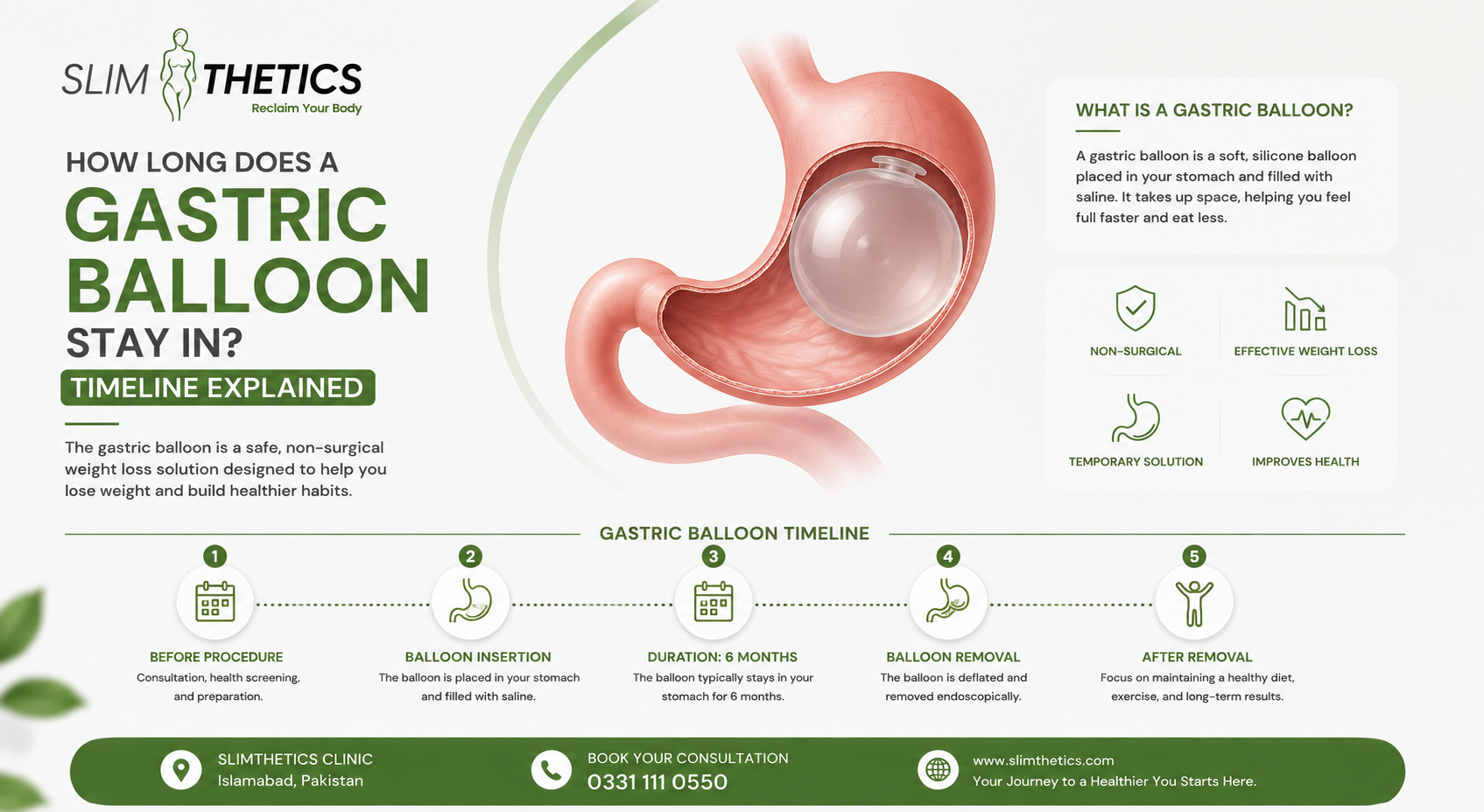
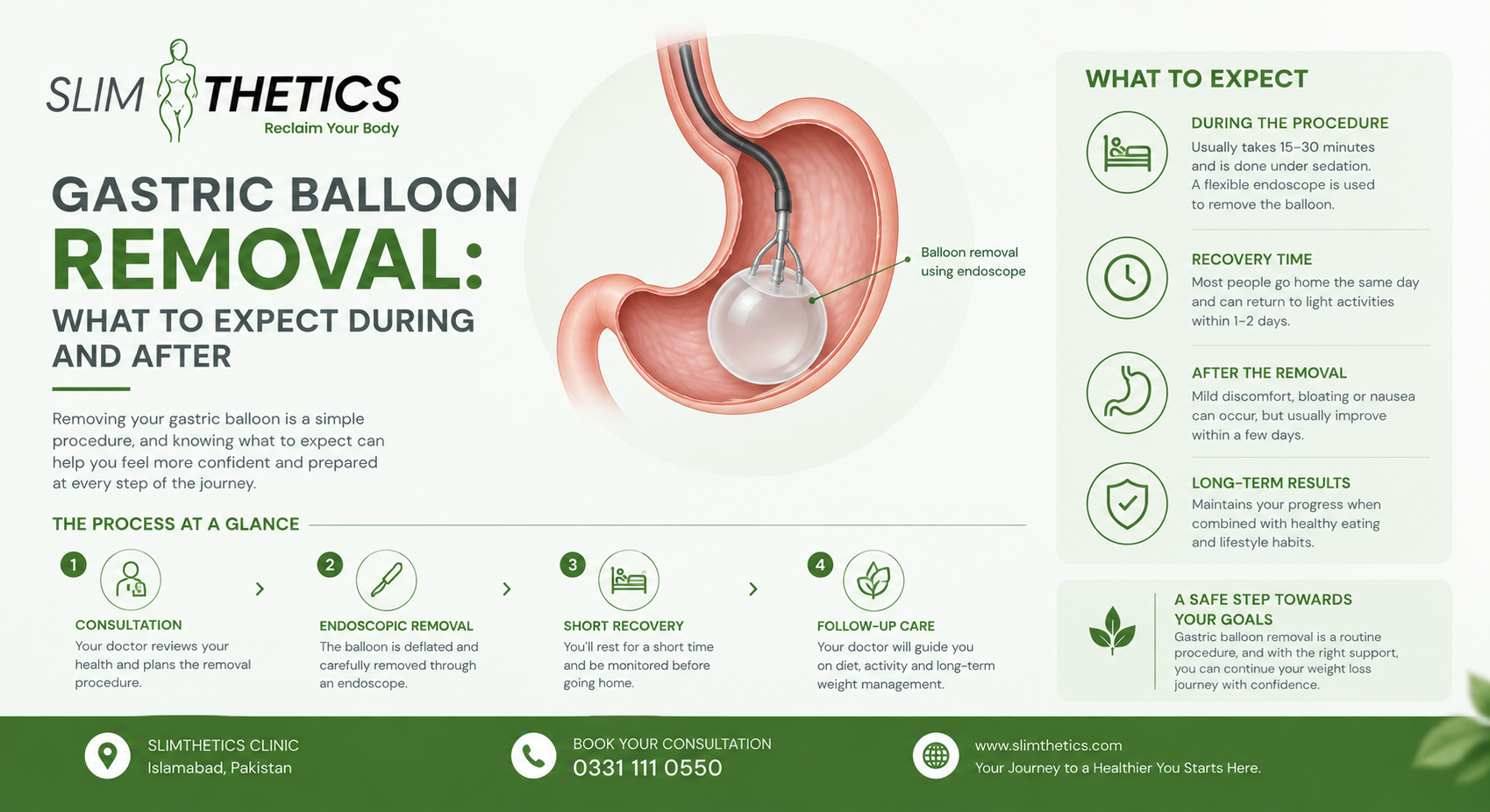
Sometimes, patients feel full faster because of a gastric balloon, which takes up space in the stomach. Through an endoscopic procedure, ESG places stitches in the stomach to shrink the size of the stomach without removing any portion of the stomach.
Medical evaluation, dietary adjustments, and follow-up are still essential for these procedures. They can have side effects, too, and work differently for different people. A specialist will be able to discuss with you if a procedure is appropriate and what it compares to in terms of medication and/or a lifestyle program.
How Do You Choose the Right Option?
Take into account your health background, BMI, weight-related conditions, budget, and support levels. A good plan can involve nutrition, activity, behavioral support, and medication. The following endoscopy or surgery may be more beneficial in some cases.
Dr. Tanseer Asghar at Slimthetics can discuss options for weight management and determine if it is best for you to have surgery or not.
Cost Of Non-Surgical Weight Loss in Islamabad
The cost of non-surgical weight loss treatments at Slimthetics starts from PKR 280,000 for Endoscopic Sleeve Gastroplasty (ESG). Other options, such as weight loss injections, gastric balloons, and structured weight management programs, have different costs.
The final cost may depend on:
- Type of treatment and duration
- Medical assessments and required tests
- Medication and nutritional support
- Existing health conditions and individual needs
Dr. Tanseer Asghar can assess your health, recommend suitable options, and provide an accurate cost estimate based on your treatment plan.
Final Thoughts
Non-surgical weight loss will include lifestyle changes, structured support, pharmaceuticals, and/or selected endoscopic procedures. The right choice depends on the patient’s health and goals, and sustainable outcomes require ongoing care.
Non-Surgical Weight Loss: Best Options Explained shows that you can lose weight without surgery. Dr. Tanseer Asghar at Slimthetics can explain all the options and help you choose the one that matches your requirements.