Skip to content
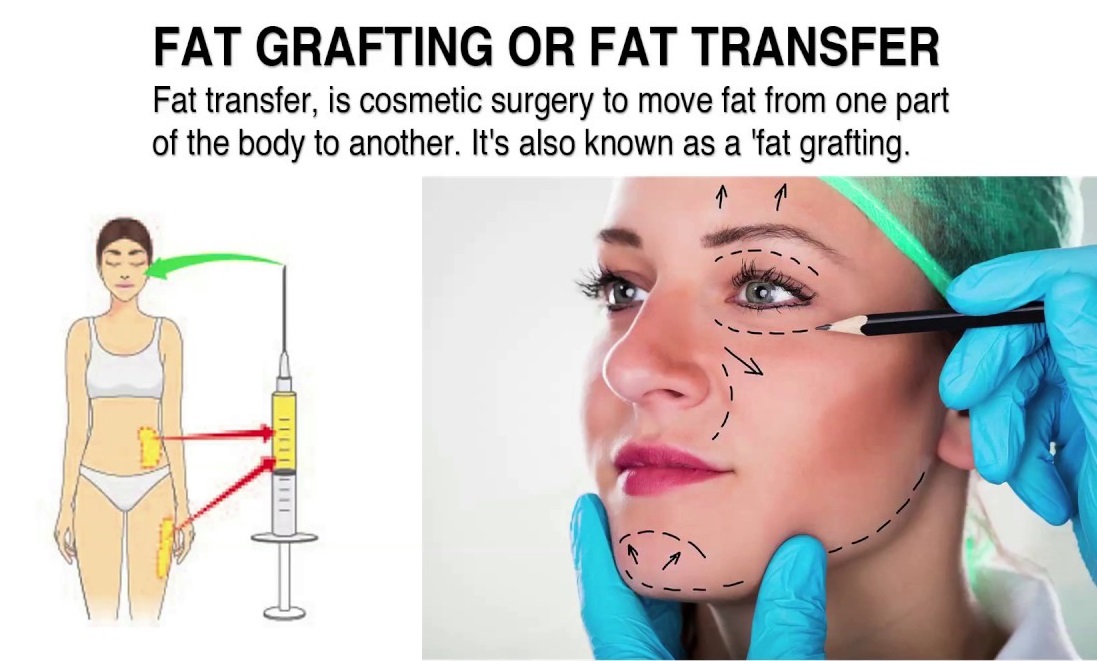
When considering cosmetic procedures, safety is always the number one question—and one concern many patients ask is: Does fat transfer result in blood clots? At Slimthetics, patients undergo highly experienced care of Dr. Jawad Jahangir and are clearly informed of what to expect before and after taking treatment. Fat grafting or fat transfer is a widely used method of improving body appearance in a natural manner. The notion of fat injection makes the process less threatening than implantation or even the use of synthetic fillers, yet it is quite natural to suspect such risks as blood clots.
This blog will explain whether fat transfer can cause blood clots, how common this risk is, what factors influence safety, and how techniques like nano fat transfer add even more security and precision to the procedure.
Understanding How Fat Transfer Works
Before answering “Can fat transfer cause blood clots?”, it’s helpful to know what the procedure involves. Fat transfer is a two-step process:
Fat Removal:
In Fat Removal is gently removed from areas like the abdomen, thighs, or hips using liposuction.
Fat Injection:
The removed fat is then injected back into the body parts that require extra body such as the face, breast, or buttocks.
As the process involves using your own fat, the risk of being allergic or rejecting it is minimized. Nevertheless, like any medical intervention, it is necessary to know the risks.
Can Fat Transfer Cause Blood Clots?
The brief explanation is: to transfer the fat, in itself, is hardly a cause of the blood clots, but the liposuction portion of the process may pose a minor threat, as with any other type of surgery. Blood clots, particularly deep vein thrombosis (DVT), are normally a result of
- Long periods of lying still
- Poor circulation
- Certain medical conditions
- Smoking
- Hormonal medicine
- Obesity
During fat transfer, the risk of blood clot formation is generally very low when performed by a trained and experienced surgeon. At Slimthetics, Dr. Jawad Jahangir follows strict safety protocols to ensure your blood flow, mobility, and healing remain normal throughout the process.
To answer the topic clearly again: Can fat transfer cause blood clots? It is possible, but extremely uncommon—and mostly linked to surgical factors rather than the fat injection itself.
Why the Risk Is Low with an Expert Surgeon?
Choosing a qualified surgeon makes a major difference in safety. At Slimthetics, Dr. Jawad Jahangir uses advanced techniques that minimize trauma to the body. This includes:
- Gentle liposuction methods to protect blood vessels
- Controlled fat injection to avoid damage to the surrounding tissues
- Close observation during and in the post-procedure.
- Promoting early mobility to avoid the formation of a clot.
- The measures can reduce the likelihood of complications tremendously.
Nano Fat Transfer: A Safer, More Precise Option
Among those patients who want to rejuvenate their faces or perform minor surgeries, nano fat transfer is an excellent solution. This method involves the incredibly pure fat, which is disintegrated into minute particles. Since the fat is very lightweight and smooth, it infiltrates into the skin easily and has very low chances of complications such as blood clots.
Benefits of nano fat transfer include:
- Improved skin texture
- Natural-looking results
- Minimal downtime
- Even smaller risk profile
- Great for under-eye hollows, fine lines, and facial scars
Since nano fat transfer involves much smaller volumes and finer fat particles, it is considered even safer than traditional fat grafting for delicate areas.
How You Can Reduce the Risk of Blood Clots
Patients can also make easy preparations to minimize clot risks: whether undergoing fat transfer or any surgical work, the patient can take the necessary steps to minimize the risk of developing a clot.
- Take walks (with the guidance of your surgeon) shortly after surgery.
- Stay hydrated
- Use compression clothes when recommended.
- Do not smoke for a few weeks before the operation or after the operation.
- Give your surgeon a report on medications and particularly blood thinners.
- Adhere to all post-operative directions.
- Miss no follow-up appointments.
Slimthetics has also offered a customized follow-up program to make your recovery as safe and painless as possible
When to Contact Your Surgeon
While complications are rare, it’s important to know the signs of a possible clot:
- Persistent leg pain or swelling
- Warmth in the calf
- Sudden shortness of breath
- Chest pain
If any of these symptoms occur, seek medical help immediately. Dr. Jawad Jahangir and the Slimthetics team are always available to guide you if concerns arise.
Final Thoughts
Therefore, does the transfer of fat lead to blood clots? Yes, however, it is very low- particularly when it is done by a skilled surgeon like Dr. Jawad Jahangir in Slimthec. It is normally a safe procedure, well-tolerated, and presents natural-looking outcomes. Safety profile is further enhanced with the newer methods such as nano fat transfer, making the latter an ideal option when it comes to making inconspicuous and discreet improvements.
In case you are thinking about fat transfer and you are seeking professional advice, Slimthetics will be the best place to start.