Skip to content
Posted by Slimthetics - April 18, 2026
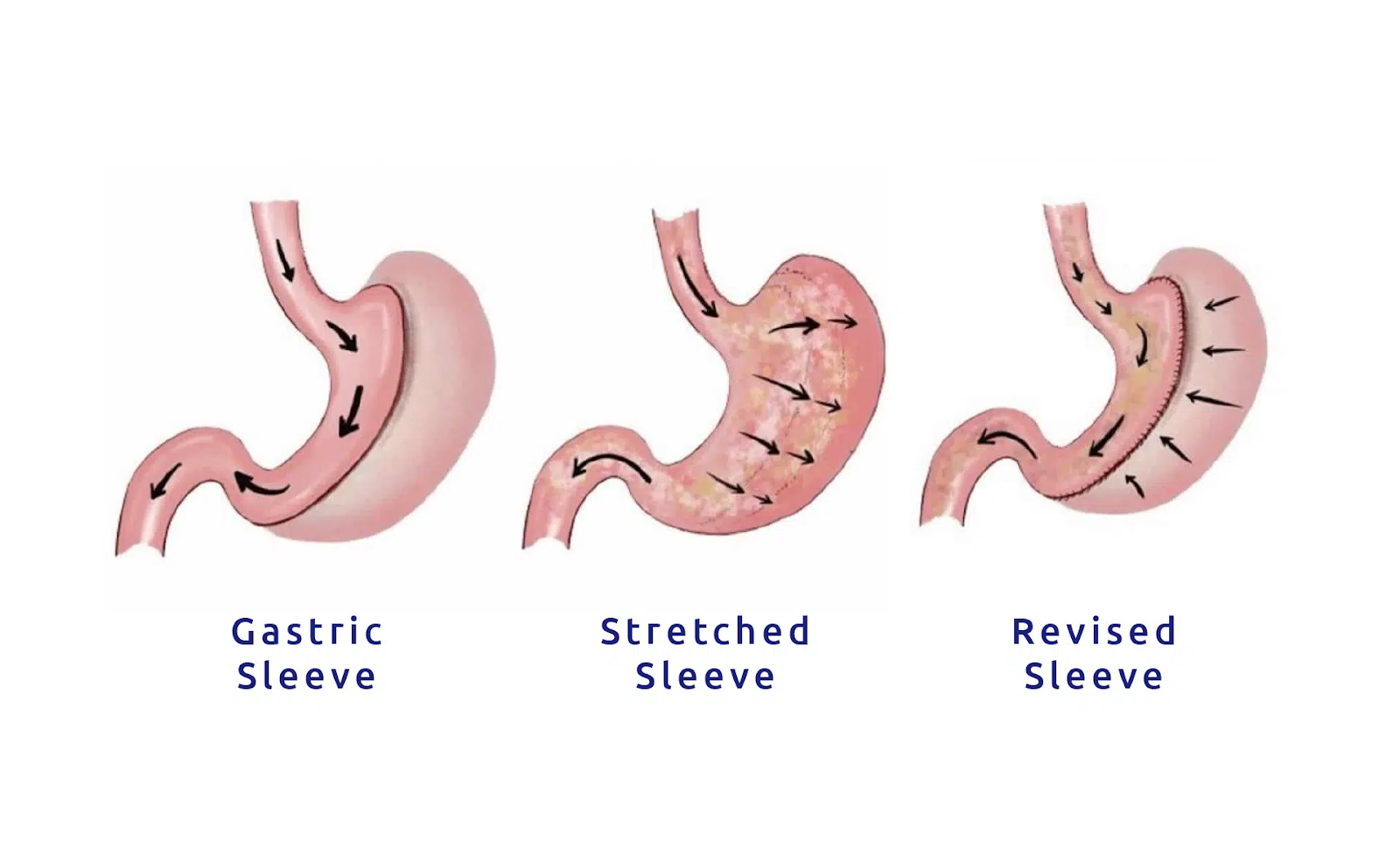
One of the most popular bariatric surgeries for obesity is sleeve gastrectomy. It can help to slim down the stomach, regulate food consumption, and facilitate substantial weight reduction. Others, however, may gain weight after the initial surgery, lose weight too slowly, or suffer from extreme acid reflux.
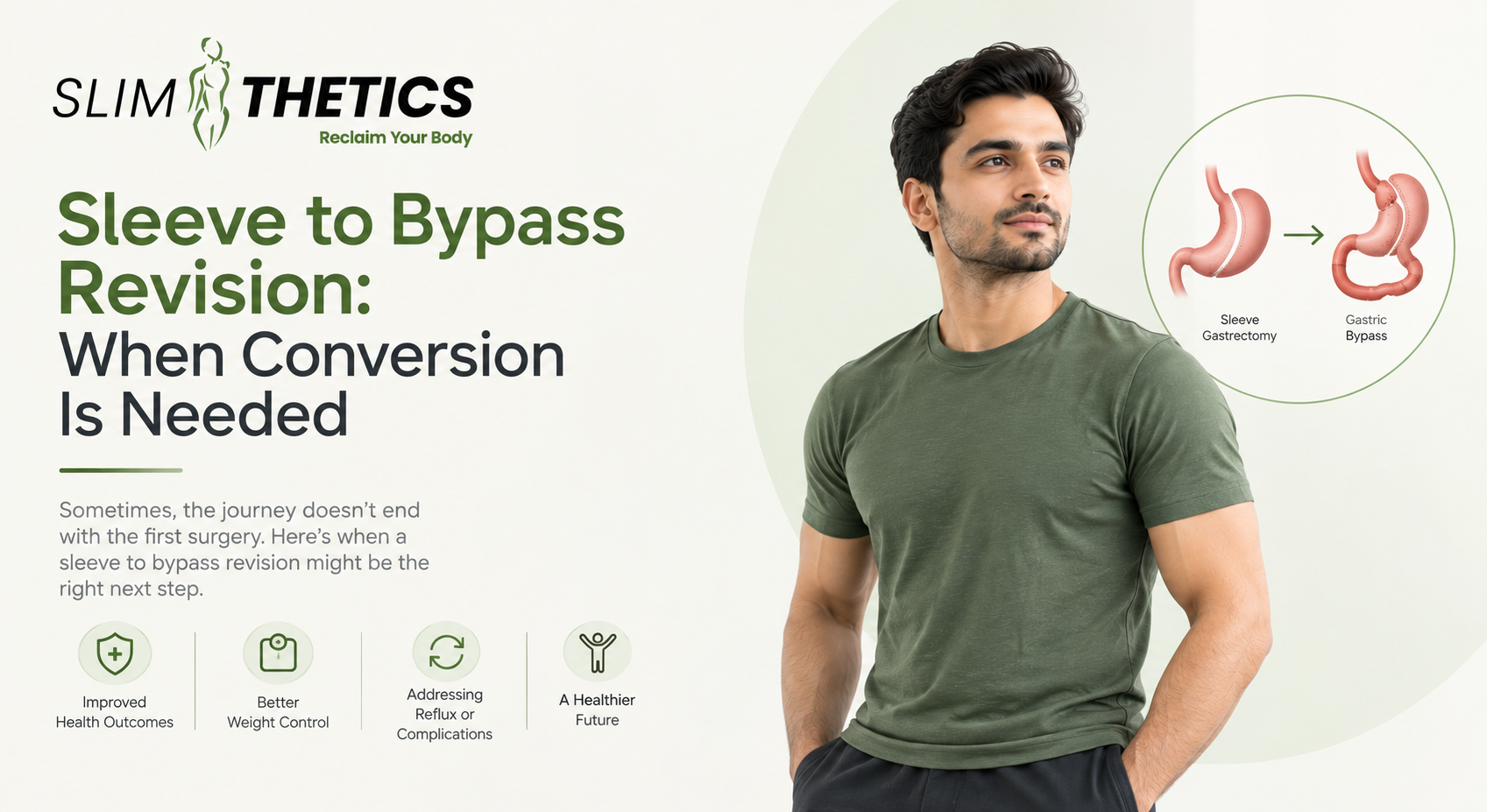
Many people ask this question before considering sleeve to bypass revision in Islamabad: Sleeve to Bypass Revision: When Conversion Is Needed. Dr. Tanseer Asghar is an expert in delivering bariatric and revisional surgical services for those who are in need of additional treatment following sleeve gastrectomy.
What Is Sleeve to Bypass Revision?
A bypass is a form of revisional surgery that involves using a sleeve to avoid revision. The sleeve is then transformed into a Roux-en-Y gastric bypass during the procedure.
Gastric sleeve surgery involves removing a large section of the stomach, while the gastric bypass procedure involves creating a smaller stomach pouch and rerouting the food through the digestive system. These differences make gastric bypass an option that could offer enhanced weight loss benefits and may be beneficial for some patients who continue to experience reflux after sleeve.
But not everyone who has gained weight after a sleeve is automatically advised to have it converted. The first step in the process of a bariatric surgery surgeon deciding why an initial surgery was not successful must be to identify the issue.
Why Is Sleeve to Bypass Revision Needed?
There are several reasons why a surgeon may recommend conversion from sleeve to gastric bypass. The most common include:
1. Severe Acid Reflux or GERD
One of the most common indications for patients undergoing sleeve-to-bypass conversion is persistent gastroesophageal reflux disease (GERD).
Some patients will get reflux post-sleeve surgery, and some patients may have reflux that is hard to control after the surgery. If you have not been able to get relief with medication or lifestyle changes, you may be a candidate for gastric bypass.
2. Weight Regain
There are some patients who lose a significant amount of weight after sleeve surgery, but they slowly gain it back. It is possible to gain back weight for a number of reasons. This can involve changes in food intake, decreased physical activity, and metabolic disturbances caused by medication or stomach anatomy changes. When lifestyle changes and medical treatments are insufficient, a surgeon may consider whether revision bariatric surgery may offer extra support for weight loss.
3. Insufficient Weight Loss
Not everyone loses the same amount of weight after sleeve gastrectomy. If a patient loses considerably less weight than expected, the bariatric team may investigate factors such as eating patterns, stomach anatomy, medical conditions, and the patient’s response to the original procedure.
The 2022 ASMBS/IFSO guidelines recognize insufficient weight loss, weight regain, inadequate improvement of obesity-related conditions, and complications such as GERD as potential reasons for revisional metabolic and bariatric surgery.
4. Sleeve-Related Complications
Sleeve-related complications can also affect the decision to convert the sleeve to gastric bypass. These may be due to strictures or other functional issues. In such instances, it is essential to carefully evaluate the case, as revision surgery may be more complex than the initial surgery.
How Does Sleeve to Gastric Bypass Conversion Work?
At Slimthetics, the bariatric surgeon will discuss your previous procedures and examine your health prior to the surgery. However, he makes adjustments during the revision process, creating a smaller stomach pouch during the procedure. The small intestine is then joined to the new pouch, and food travels through the modified route of the Roux-en-Y gastric bypass.
This is called revision bariatric surgery and can be a more complicated procedure than the initial gastric bypass. Scars and changes have been created from previous surgery. Hence, it is crucial to have the procedure done by an experienced bariatric doctor.
What Are the Risks of Sleeve to Bypass Revision?
As with any major surgery, some risks exist when changing from sleeve to gastric bypass.
These may include:
- Bleeding
- Infection
- Leaks
- Blood clots
- Bowel obstruction
- Nutritional deficiencies
- Ulcers
- Anesthesia-related complications
- Need for further intervention
Cost of Sleeve to Bypass Revision in Pakistan
The cost of sleeve-to-bypass revision in Pakistan starts from PKR 850,000 to PKR 1,600,000. It can vary depending on the complexity of the revision and the patient’s medical requirements.
Factors that can affect the cost include:
- Complexity of the revision
- Surgeon and hospital charges
- Pre-operative tests
- Anesthesia
- Hospital stay
- Medications
- Nutritional supplements
Why Choose Slimthetics for Revision Bariatric Surgery?
When revision bariatric surgery is performed, the surgeon needs to plan around the alterations that the first surgery has made. Slimthetics offers revision bariatric surgery, including conversion of sleeve-to-gastric-bypass. The bariatric team at the clinic is dedicated to personalized assessment, minimally invasive methods, dietary counseling, and post-surgery support. Dr. Tanseer Asghar is a member of the bariatric team at Slimthetics and is trained in bariatric surgery, laparoscopic surgery, and minimally invasive surgery.
Final Thoughts
A significant factor for patients with ongoing reflux, poor weight loss, weight regain, or other complications following sleeve gastrectomy is conversion to bypass.
If you are thinking about Sleeve to Bypass Revision: When Conversion Is Needed, you need to consult with an experienced bariatric surgeon like Dr. Tanseer Asghar at Slimthetics and know your options so you can develop a treatment plan that is tailored to your individual needs.