Skip to content
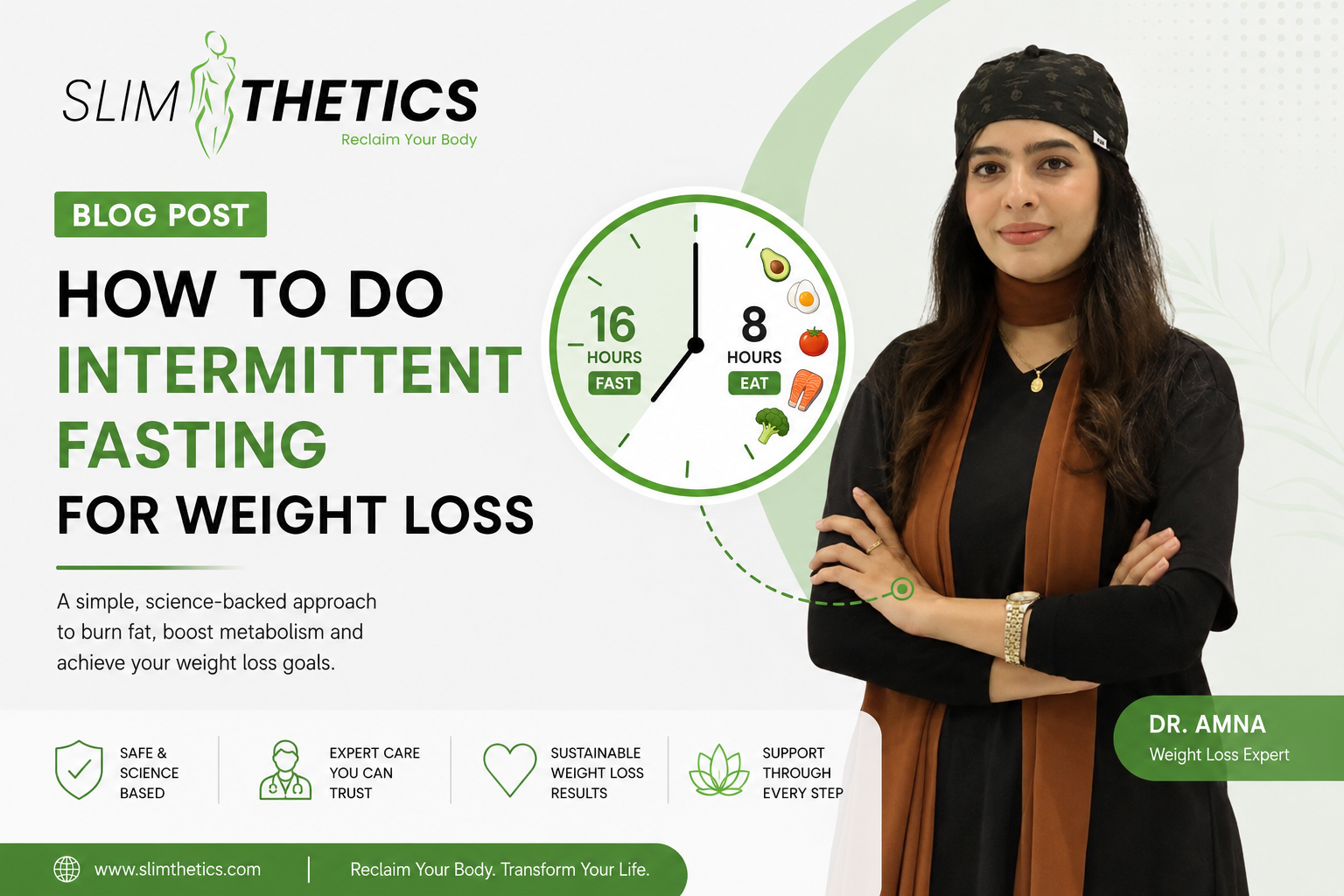
It can be difficult to lose weight, particularly because there are so many diets on the market that claim to help you shed pounds in no time at all, but leave you unsatisfied and underwhelmed afterwards. Luckily, the idea of intermittent fasting has become more popular as a simple and effective means of weight loss. Intermittent fasting is more about when, rather than what, you eat, unlike traditional diets. This makes it easier for many to follow and keep up in the long run.
You may be asking yourself, How to Do Intermittent Fasting for Weight Loss, and, if so, the following information can help you to get the best results from intermittent fasting while taking advantage of the health benefits it provides. Dr. Amna Naseer at Slimthetics tailors weight loss plans to each patient’s unique needs, ensuring long-term, healthy results.
What Is Intermittent Fasting?
Intermittent fasting is a diet plan that cycles between eating and fasting. It doesn’t tell you what to eat or not eat; it tells you when to eat meals.
In the fasting phase, your body draws on its reserves, and this can lead to weight loss. Furthermore, fasting can help with improved metabolism, insulin sensitivity, and appetite regulation.
Due to its versatility, the intermittent fasting trend has become one of the most popular ways to lose weight globally.
Here’s how to start intermittent fasting to lose weight. Here’s how to start intermittent fasting to shed pounds.
How to Do Intermittent Fasting for Weight Loss?
One of the first steps in learning how to Do Intermittent Fasting for Weight Loss is selecting a fasting schedule that fits your lifestyle.
There are several popular methods of fasting:
16:8 Method
This is the most common type of intermittent fasting. Fasting for 16 hours and eating for 8 hours.
For example:
Fast Day 2: 8 PM to 12 PM the next day
Eat from 12 PM until 8 PM.
Many people can do this easily because a large part of the time is when they are sleeping.
14:10 Method
It’s a method that’s based on the principle of fasting for 14 hours and then feeding in a 10-hour period.
It’s recommended for beginners as it is simpler to keep.
5:2 Method
Here, the person’s diet is the same 5 days a week, with the addition of a drastic calorie-cutting schedule on 2 days that are not consecutive.
But many of those who are just starting out choose to do daily fasts as they are easier to stick to.
Benefits of Intermittent Fasting
The reasons for people adopting intermittent fasting as their diet plan for weight reduction are several.
Potential benefits include:
- Reduced calorie intake
- Improved fat burning
- Improved blood sugar regulation
- Enhanced insulin sensitivity
- Increased energy levels
- Simpler meal planning
A long-term weight management program.Long-term weight management support. Intermittent fasting can thus be a useful tool in conjunction with good lifestyle practices.
How to Do Intermittent Fasting for Weight Loss Safely?
While many adults can do intermittent fasting, it’s essential to do it right.
Stay Hydrated
Fasting from food and water is necessary. Water is used to keep up metabolism and for hunger management.
You can also take:
- Water
- Black coffee
- Unsweetened tea
- Herbal tea
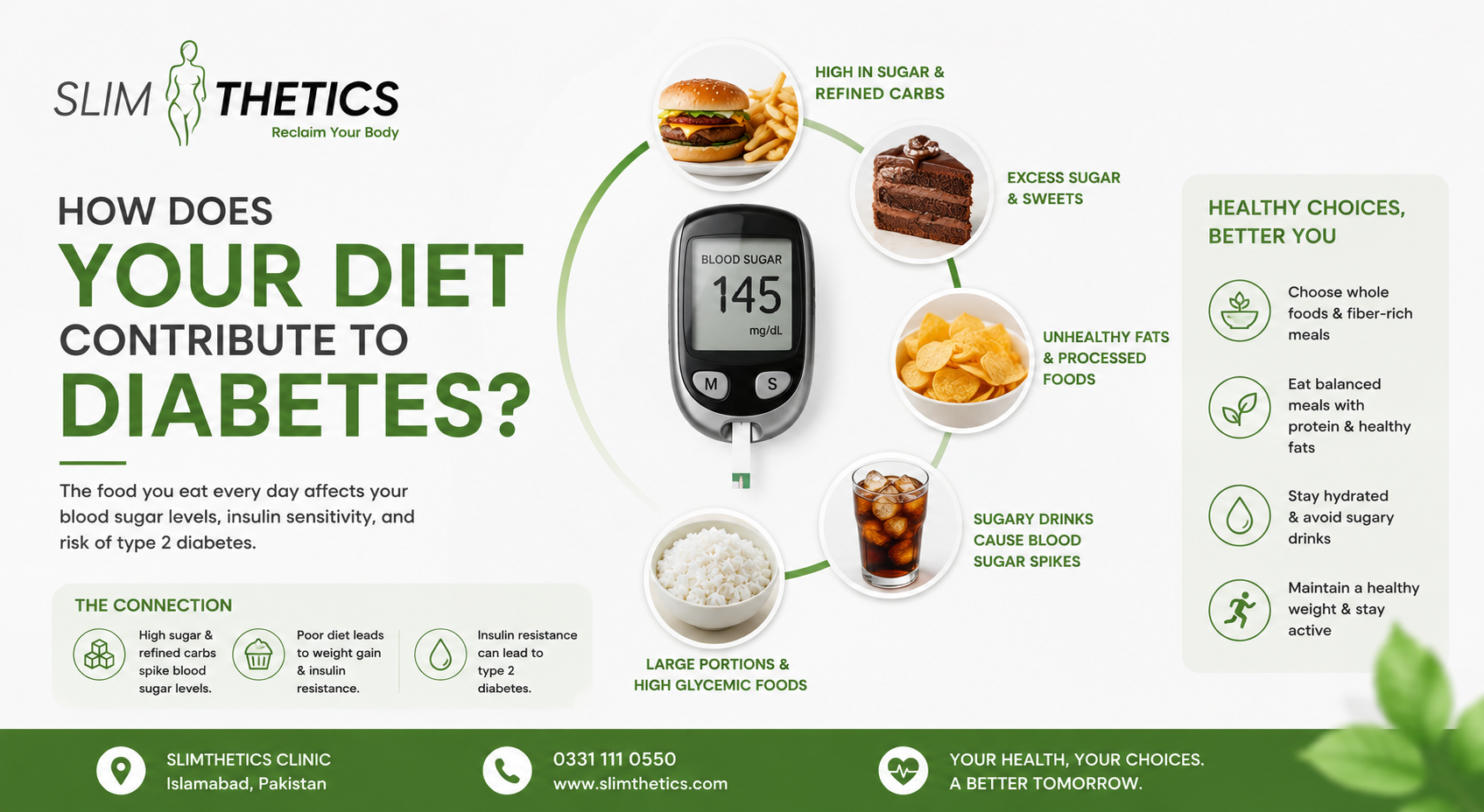
Don’t have sugary drinks, they will break your fast and cause extra calories. Avoid eating foods that are high in fat, salt, or sugar. Intermittent fasting is not about eating as much as possible of unhealthy junk food in your windows.
Instead, focus on:
- Lean proteins
- Fruits
- Vegetables
- Whole grains
- Healthy fats
- Low-fat dairy products
Nutritious diets help you get the nutrients you need and keep your energy up for the day.
Avoid Overeating
A common error people make when following How to Do Intermittent Fasting for Weight Loss is overeating during the eating phase.
Fasting can help you lose weight, but if you are not eating enough, it can hinder weight loss. So proper portion sizes are still important.
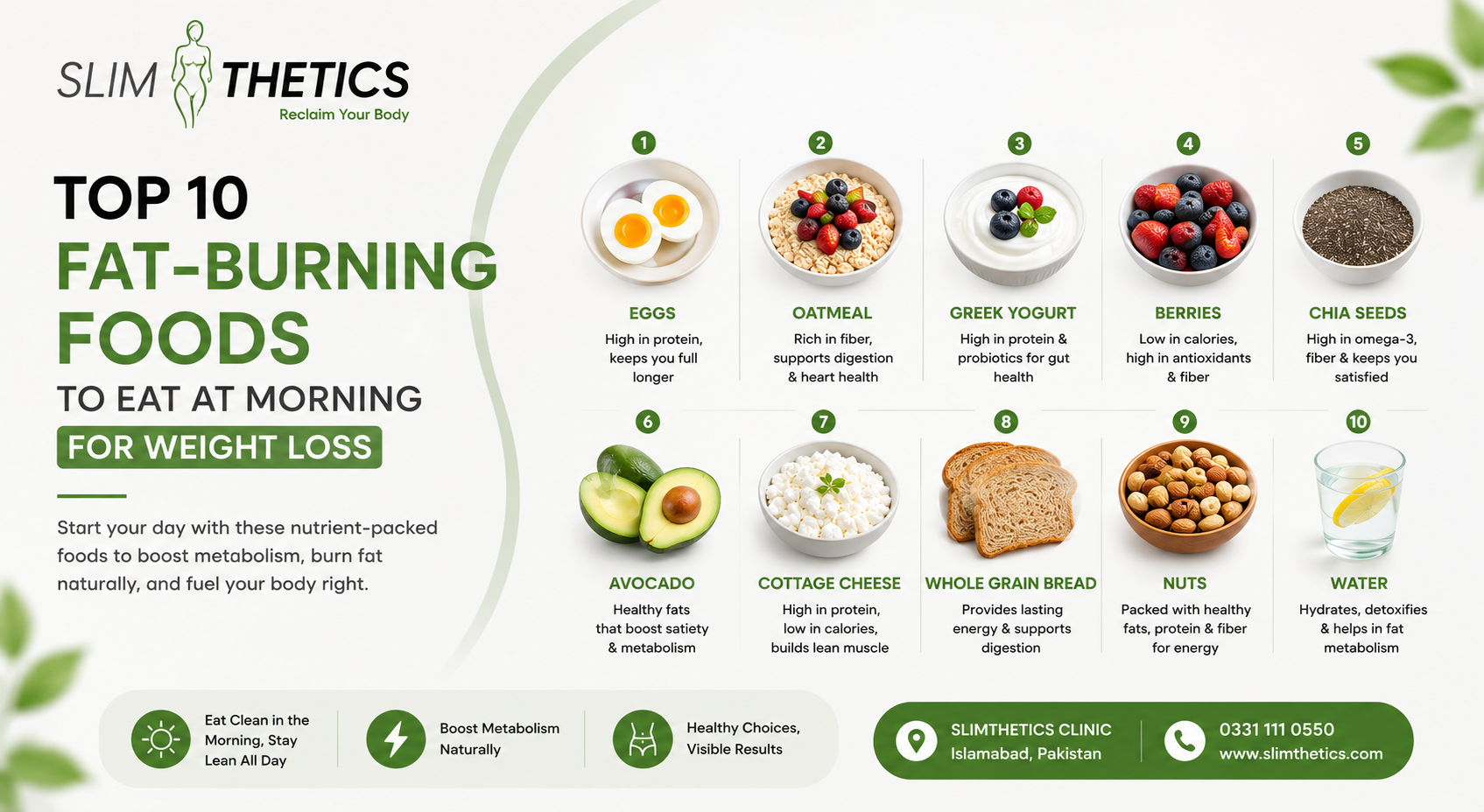
Foods That Support Weight Loss During Intermittent Fasting
Choosing nutrient-dense foods can enhance your results.
Excellent options include:
Protein-Rich Foods
Protein helps to provide satiety and maintain muscle mass.
Examples include:
- Chicken
- Fish
- Eggs
- Greek yogurt
- Beans
- Lentils
High-Fiber Foods
Fiber aids digestion and helps reduce appetite.
Examples include:
- Vegetables
- Fruits
- Oats
- Brown rice
- Whole grains
Healthy Fats
Good fats provide sustained energy and a sense of fullness.
Sources include:
- Avocados
- Nuts
- Seeds
- Olive oil
Combining these foods can help you stay satisfied while supporting healthy weight loss.
How to Do Intermittent Fasting for Weight Loss and Avoid Common Mistakes?
There are quite a few intermittent fasting enthusiasts who are passionate about the diet and make mistakes that reduce their success.
Common errors include:
- Skipping water intake
- Excessive consumption of food at meal times
- Eating too many manufactured foods
- Expecting immediate results
- Ignoring sleep quality
- Avoiding physical activity
Hence, consistency and patience are critical to getting sustainable results.
Can Exercise Be Combined with Intermittent Fasting?
Yes, there are many people who are able to successfully practice intermittent fasting along with exercising.
Suitable activities include:
- Walking
- Strength training
- Cycling
- Swimming
- Yoga
Regular exercise can boost calorie burn and aid overall fitness. It’s also important to take your body into account and modify the intensity of your exercise.
Who Should Avoid Intermittent Fasting?
While intermittent fasting can be beneficial for many adults, it might not work for everyone. People who should see a health care provider before beginning use include:
- Pregnant women
- Breastfeeding mothers
- People who suffer from eating disorders
- Individuals with specific health problems
- Patients who are receiving certain medications
Expert guidance helps ensure weight loss plans are safe and effective.
Why Choose Slimthetics?
At Slimthetics, patients are provided with customized assistance in managing weight loss and making healthy lifestyle choices. The clinic is dedicated to the use of evidence-based practices that help to achieve long-term success, not quick fixes.
Patients benefit from:
- Designed weight loss programmes
- Nutritional counseling
- Medical supervision
- Lifestyle guidance
- Ongoing support
This holistic approach enables people to make sustainable health and well-being improvements.
Final Thoughts
Knowing how to Do Intermittent Fasting for Weight Loss can help in making informed decisions regarding your health and weight management journey. With proper application, Intermittent Fasting can help boost fat loss, increase metabolism, and promote healthier eating habits.
If you are trying out intermittent fasting but find yourself in need of professional advice, reach out to Dr. Amna Naseer at Slimthetics. With the help and guidance of a professional, you can create a safe and effective plan to help you reach your weight loss objectives while also promoting health.