Skip to content


Posted by Slimthetics - October 23, 2026

Weight loss surgery is a way for people with obesity to lose a lot of weight and also improve health problems linked to obesity. But there are differences between the challenges for men and women before and after surgery. Personal conditions, health issues, hormones, and body composition may affect the treatment process.
Most of the major surgical procedures are the same for both males and females, but may vary from person to person depending on the specific need. Weight loss surgery isn’t necessarily different for women compared to men; it’s a lot more about the health of the individual patient, their goals, and their reactions to the surgery. Many people are considering this treatment, and they ask this question: How Weight Loss Surgery Is Different for Men vs. Women
Do Men and Women Lose Weight Differently?
Men usually have a greater amount of lean muscle mass than women of the same height and weight and have a higher energy requirement per day. It is normal for women to carry a greater amount of body fat.
Such variations may impact initial weight, calorie requirements, and weight loss trajectory. In some cases, men will lose more weight, but this does not necessarily indicate that surgery is more effective for them.
Outcomes depend on the procedure, initial BMI, level of physical activity, diet, age, and other medical conditions. The most useful measure is progress towards improved health rather than comparing one person’s results with another’s.
Health Conditions Can Influence Treatment
For both men and women, obesity can lead to higher risks for type 2 diabetes, high blood pressure, heart disease, fatty liver disease, and sleep apnea.
Abdominal fat, sleep apnea, and weight gain-induced hormonal shifts are some of the concerns that may be raised among men. These weight issues can be related to pregnancy, menopause, or other issues like polycystic ovary syndrome (PCOS) in women.
These problems are not prohibitive for any man or woman to have the procedure. Rather, a surgeon should examine each individual’s medical history and health status prior to recommending treatment.
Are the Surgical Procedures Different?
Most bariatric surgeries are offered to both men and women. These include:
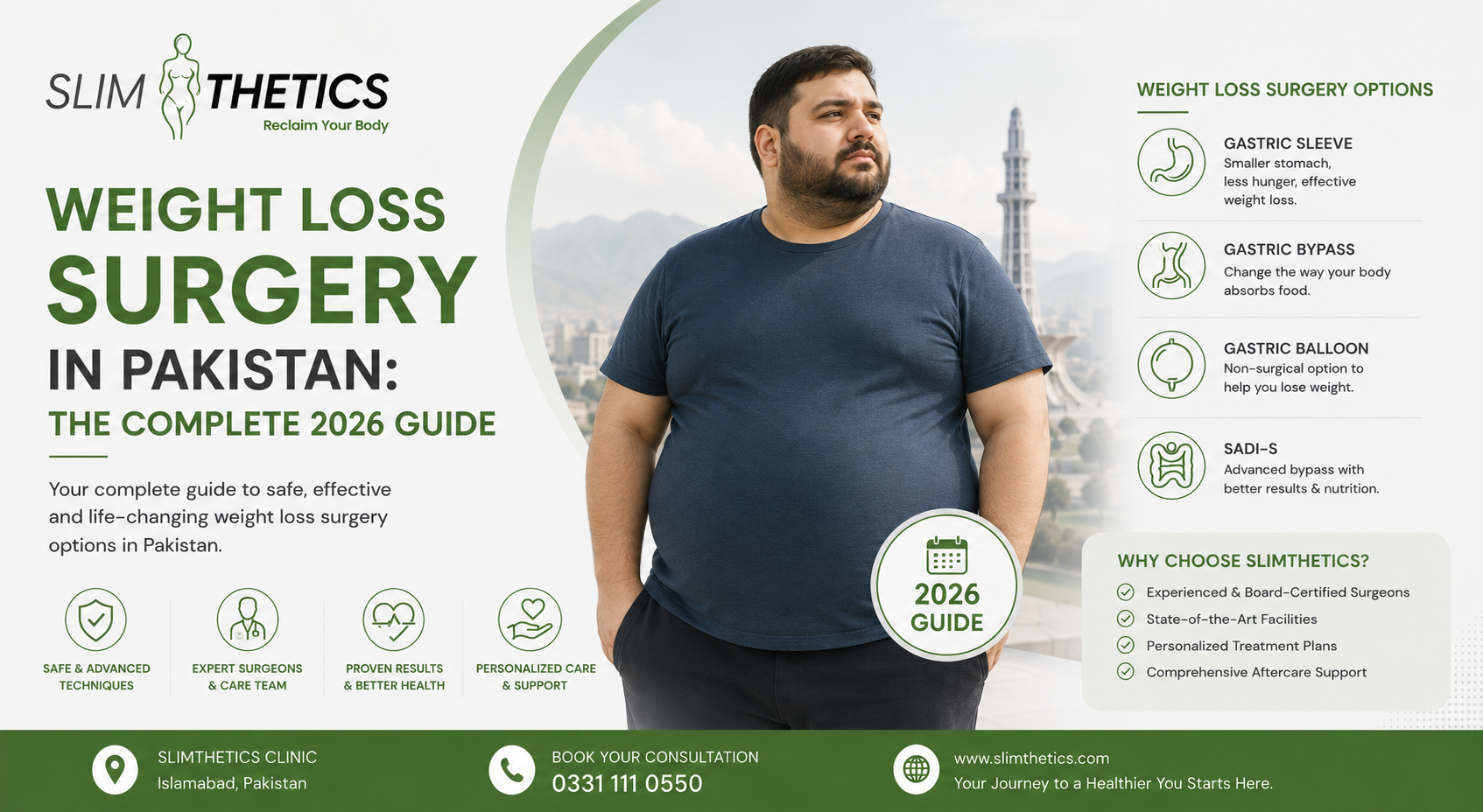
Sleeve gastrectomy: The surgeon removes a significant portion of the stomach and leaves a smaller sleeve-shaped stomach.
Gastric bypass: The surgeon makes a small pouch in the stomach and redirects part of the digestive system.
Mini gastric bypass: A smaller stomach pouch is created and then joined to a portion of the small intestine.
There are benefits, risks, and nutrition issues with each option. Depending on the patient’s BMI, diabetes history, reflux history, previous surgery, and the ability to adhere to post-surgery care, the best option can be determined.
Special Considerations for Women
Planning a pregnancy should be discussed with the health care team before surgery in women. There is usually a delay in pregnancy during the phase of rapid weight loss, and careful monitoring of the nutritional status is required prior to pregnancy.
There can also be variations in menstruation due to fluctuations in weight or hormones. Women need to consult their clinician regarding any supplements, iron status, and other nutritional needs.
Surgical treatment is not a disqualification for women due to these factors. They just emphasise the need for planning and tailoring follow-up.
Special Considerations for Men
How Weight Loss Surgery Is Different for Men vs. Women? There are differences in the muscle maintenance needs between men and women during weight loss. Muscle health maintenance strategies during recovery can include sufficient protein intake, appropriate strength training exercises, and medical advice.
Some men also wait to seek treatment because they are pressured to deal with weight loss by themselves. But obesity is a complicated health problem, and obtaining professional help can be practical for better health. Men and women must adhere to dietary recommendations, undergo post-operative supplementation and visits, and follow-up.
Cost Of Weight Loss Surgery in Islamabad
At Slimthetics, published starting prices are approximately PKR 350,000 for sleeve gastrectomy, PKR 500,000 for gastric bypass, and PKR 450,000 for mini gastric bypass. These prices are indicative and may change. The cost is generally based on the procedure and clinical needs, not simply whether the patient is a man or a woman.
Factors that may affect the final estimate include:
- The type of surgery selected
- Pre-operative tests and medical consultations
- Hospital stay, anaesthesia, and facilities
- Additional treatment needs and follow-up care
Dr. Tanseer Asghar can assess each patient’s health and explain the appropriate options and current costs.
Conclusion
Weight loss surgery is good for both men and women; however, the ideal treatment plan should be based on the individual’s health needs, and not gender. All of these are important: medical history, body composition, related ailments, long-term goals, etc.
If you’re considering your choices, How Weight Loss Surgery Is Different for Men vs. women should be addressed with a professional. Dr. Tanseer Asghar of Slimthetics will help you grasp the procedures, get ready for recovery, and then plan for long-term weight management.